


News & Awards.
including honors for “Best Mixed Use,”
“Best Office,” and “Best Historic Rehabilitation”.
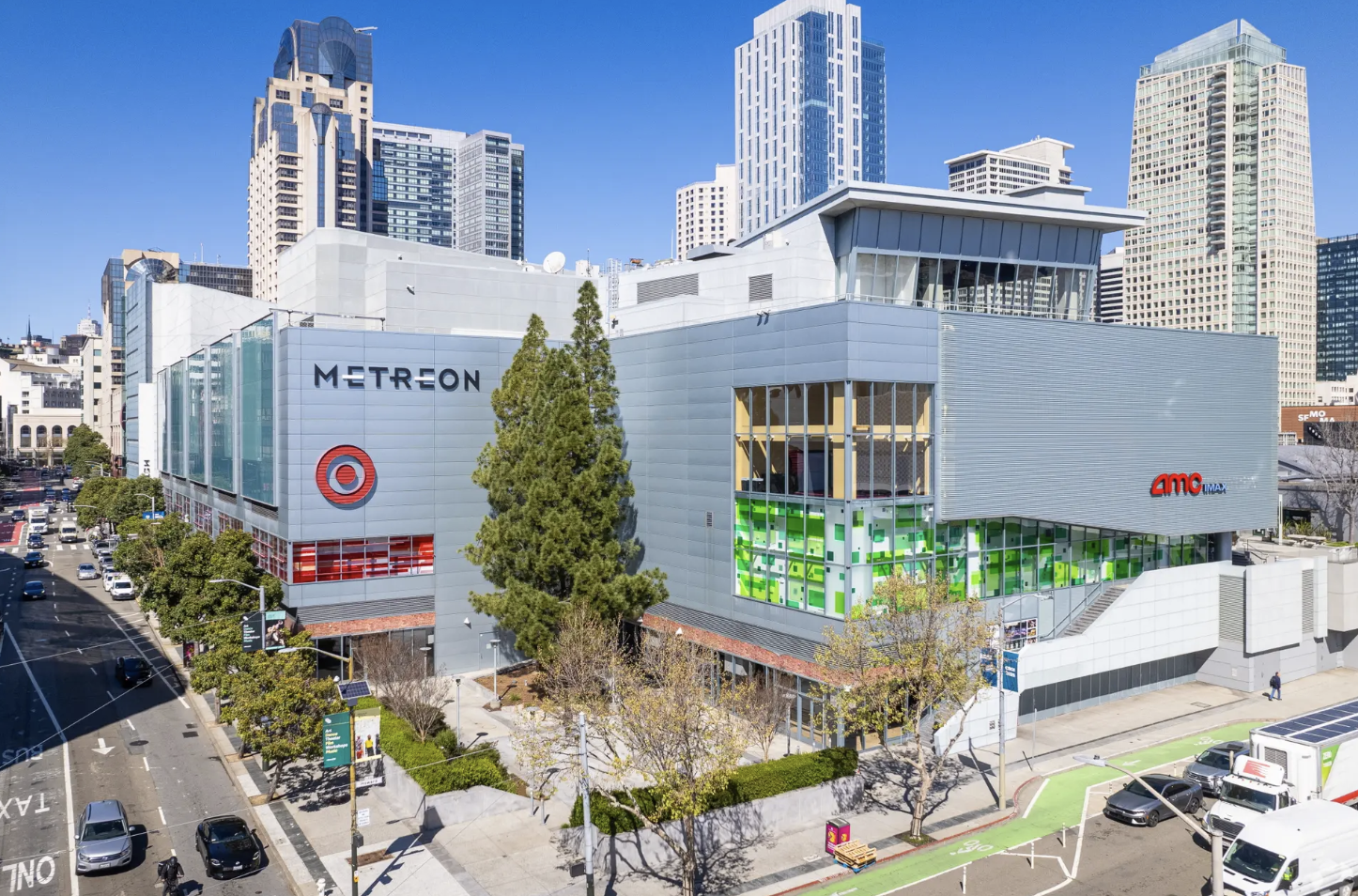
TMG Partners and Bridges Capital closed on a deal this year to buy the Metreon entertainment center, one of a handful of iconic San Francisco properties the firm has been involved with. (CoStar)
TMG Partners’ co-CEO Ben Kochalski joined the San Francisco firm back in 2019, at the height of the city's last tech boom. Now he is putting to use the lessons he learned then — and during the very different era that followed.
Before the pandemic, San Francisco skyscrapers changed hands at dizzying prices, and companies preleased entire buildings, sight unseen. That boom ended in 2020 as office workers left the city, along with tenants and investors. But ups and downs are not new to TMG, or San Francisco, which is once again zooming along aided by the rise of artificial intelligence.
The firm has in the past year linked itself to some of San Francisco’s best-known properties, from a downtown office building dating from just after the 1906 earthquake to one of the city’s best loved department stores. It’s driving the revamp of two major downtown shopping properties — including the Metreon, a four-story retail and entertainment center, and the beloved but ailing Macy’s Department Store in iconic Union Square.
Those investments are starting to pay off for the "hyperlocal" investment firm that's been operating here since the early 1980s and has developed or bought some 30 million square feet of office, residential and retail space.
Co-CEO Ben Kochalski joined TMG in 2019, at the end of San Francisco's last tech boom.
TMG has elevated new executives, including Kochalski, 45, who has been promoted twice in just over a year. He is now co-CEO alongside Michael Covarrubias, the company’s longtime chairman.
Originally from Columbus, Ohio, Kochalski started in the business as a project engineer in Chicago and came west to launch the Bay Area office of the John Buck Co. There he led boom-era projects like the downtown Park Tower skyscraper, where Facebook ultimately signed the biggest lease in San Francisco history for all 43 floors before construction had finished on the building.
He took part in the luxury waterfront condominium development One Steuart Lane, a project designed by renowned architecture firm Skidmore, Owings and Merrill that Forbes described as “among the most celebrated architecturally significant buildings on the West Coast,” before joining TMG the following year as a regional partner. The following conversation was edited for length.
What does the city's real estate picture look like compared to the last tech boom?
As we’ve seen the city continue to be reborn and grow, you’re seeing a new generation of artificial intelligence companies thrive in San Francisco.
The last several years has primarily been about subleasing. There’s still a lot of challenges and availability as it relates to the vacancy picture, but a lot of the high-quality office space has now been leased. Now you are seeing pent up demand for the best space, and we’re getting back to a better functioning market.
Can you talk about how tenant requirements have evolved? How has the job of being a commercial landlord changed in the last few years?
Landlords need to be able to provide tenants with a palette so they can paint their own picture for their space. It’s the tenant’s home, and we’re there to make sure they have the infrastructure and the ability to paint the picture they want.
Hospitality, across asset classes, has become very important as real estate has evolved.
TMG is involved with several properties that are seen as important to San Francisco’s past. What can you tell us about their future?
Over our 40 years, we have always been big believers in the Bay Area. Both Macy’s and the Metreon are part of the city’s front door for tourists and also for residents of the entire region. We saw those opportunities and really leaned in at a time that was difficult to do so. Our focus for both is to completely reposition and restore them to the important and significant real estate assets and experience centers they used to be for San Francisco. We’re going through the design and planning attributes now, so I can’t really talk about what they’ll become, but what once was iconic for the city will be iconic again.